My Most Trusted Chinese Herbal Brands

What brands do you associate with?

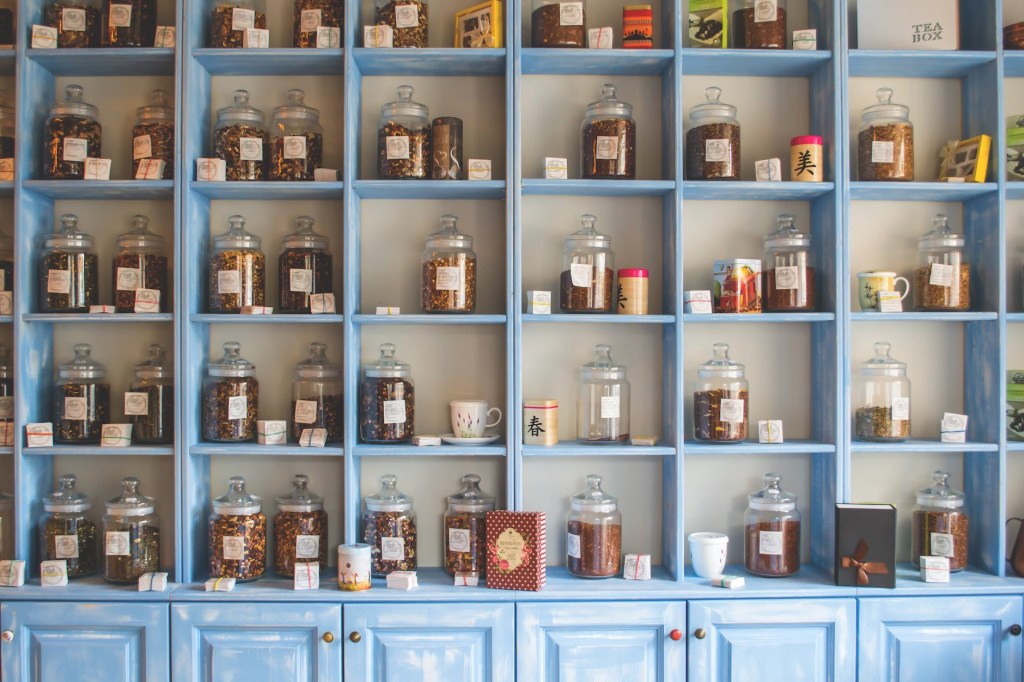
As an acupuncturist, one of my main forms of treatment is Chinese herbs. These herbs have been used for hundreds, some thousands, of years. Today, we still use these incredible formula in our practice, as powders, pills, tinctures, and even raw herbal decoctions.

However, research shows that some herbs contain harmful chemicals. An example of this is aristolochic acid. This carcinogenic chemical can damage the kidneys, and is found in certain herbs. These herbs are typically removed from the traditional formula, and replaced with safer choices.

Most modern Chinese medicine manufacturers are aware of these dangers and take care to sort and test the herbs before they are sold to consumers. Some of the best herbal brands are only sold to licensed practitioners, so you might want to check with local herbalists for higher quality products.

Here are a few brands that I use in my practice:

KPC Herbshttps://kpc.com/

Kan Herbshttps://kanherb.com/

Golden Flower Chinese Herbs – https://www.gfcherbs.com

There are many more Chinese herb brands, and most are diligent about their product. However, it can still be necessary to get a professional opinion before taking herbs, because they can interact with pharmaceutical medication or be contraindicated for certain diseases.

What herbal brands do you trust most?

Improving Energy Levels with Chinese Medicine

What things give you energy?

When I was young I struggled with fatigue. I had lots of anxiety, which caused insomnia, and then I’d awaken early and deprived of rest, triggering a vicious cycle. For energy, I relied on coffee, and caffeinated drinks, and this only added to my chronic anxiety. How can a person be so amped up and completely exhausted at the same time?

Our energy levels have a lot to do with the condition of our inner body. Our vital organs, our blood, our oxygen levels, among other things. The diet we consume, and the environment we live in inspire lots of fluctuations to our energy levels. Our mental disposition, stress, and emotions contribute distinctively to our energy, too.

When I was at my worst fatigue, my diet, lifestyle and mood were all very poor, too. Later on, I started herbs, yoga, qigong and acupuncture, and these methods totally revitalized my energy levels.

Chinese medicine has long fixated on the notion of improving and regulating Qi. The term Qi is often correlated to energy, and disorders of Qi are typically indicated by fatigue or deficiencies of energy.

In Chinese medical theory, there are many forms and variations of Qi. There’s liver qi, spleen qi, kidney qi, heart qi, lung qi. Each organ needs qi to perform optimally. There are many more forms of qi not listed here, but each is important to our healthful existence.

When there is deficient or excessive qi, specific symptoms and syndromes can manifest. The most common being fatigue, but sometimes digestive disorders, depression or mental issues can arise.

When it comes to treatment, a combination of acupuncture, herbs and qigong can significantly improve and heal qi disorders. Depending on your specific needs, different herbs and points would be selected.

Self treatment can include qigong, or exercises to cultivate your qi / energy. Deep breathing and slow rhythmic movements promote the flow and accumulation of qi, naturally offsetting the imbalances.

Sometimes fatigue is due to serious problems like diabetes, heart issues or blood pressure issues. If you’re dealing with chronic fatigue, be sure to check in with your trusted healthcare provider for the best outcome.

Relieving Anxiety with Traditional Chinese Medicine

IMG_3833
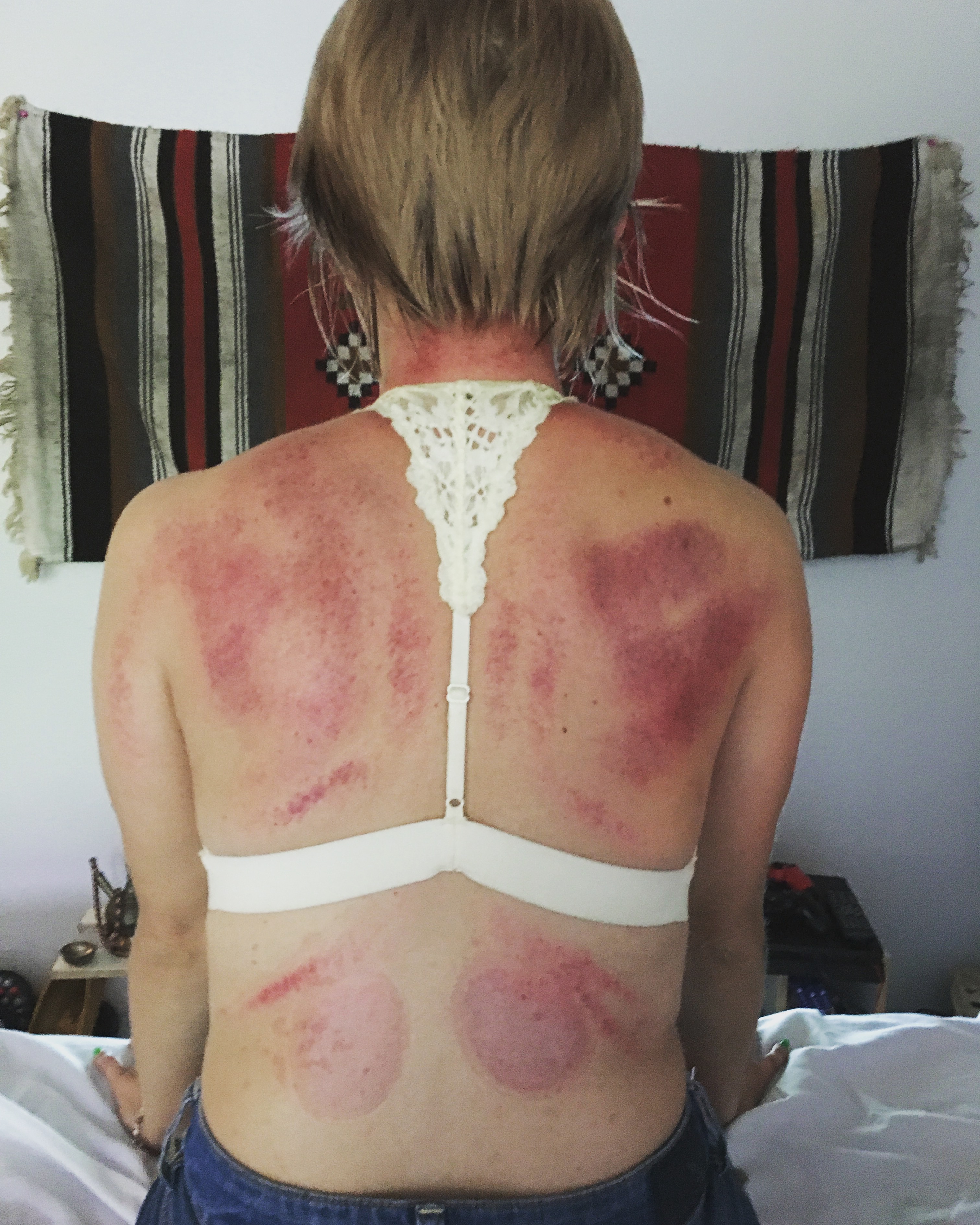
These marks are from cupping and guasha. Inflammation is the muscles is relieved as it is dredged out toward the surface. The marks go away, and symptoms of pain and anxiety often follow.

🔥❣️This patient was dealing with a general feeling of anxiety, shortness of breath and brain fog. Acupuncture was done at key points to address dampness, strengthen the spleen, reduce heart heat and soothe liver Qi. After that, some tuina, cupping and guasha were applied along the Taiyang & shaoyang meridians of the back to clear heat and unbind the chest. As you can see, the scapular muscles (especially on the right) needed some attention!

☯️💧Anxiety is not always contingent on our emotional circumstances. Sometimes it is due to physical conditions affecting the viscera, such as the heart. For example? Drinking too much coffee or alcohol can inflame the blood, which can then irritate the Shen (aka the mind/spirit). By working with the physiological aspects of the body, and extracting the heat, the mind and spirit can be positively altered and anxiety can be relieved. It’s a win – win situation for muscle health and mental health! 😁

What is moxibustion?

Moxibustion is a technique from Traditional Chinese Medicine, where mugwort is lit on fire, then used to heat up acupuncture points. Mugwort is an herb also known as Ai Ye or Artemisia Vulgaris. Mugwort contains essential oils rich in Thujone, a chemical that acts antagonistically to GABA receptors in the body—when taken internally. Studies on Moxibustion indicate that it is capable of treating a wide range of diseases.

Ling Shu, Guan Neng states that when acupuncture does not work, moxibustion does. 

Moxibustion has both direct (skin contact) and indirect (no skin contact) methods. Moxibustion can also be used to warm up acupuncture needles, by securing it to the needle’s handle—a technique called kyutoshin, in Japanese tradition.

Moxibustion involves fire and smoke, but there are smokeless alternatives for people with sensitives noses or asthma. It is a very relaxing therapy, and can help relieve pain, warms the muscles and meridians, and can help invigorate the body with Yang qi.

Some practitioners can teach patients how to safely use moxibustion on themselves. This is often done for cases of a breech baby, where the mother is asked to use moxa as a daily therapy to turn the baby naturally.

Moxa sticks consist of Mugwort which has been fleeced and packaged into sticks. The fleeced mugwort can also be used in a loose form, which can be packed into cones or balls, then burnt upon sliced ginger or aconite (among other barriers). The heat produced by the burning mugwort penetrates deep into the muscular tissues. Moxibustion’s heat can help facilitate the relaxation of contracted muscles and sinews, dredging the meridians, expelling cold, and invigorating the Yang qi of the body.

Indirect moxibustion is used commonly, as there’s very little chance of scarring or burning, when operated properly. A stick of Moxa is lit, and a practitioner warms points with the small ember produced by the burning herbs. Points on the feet, ankle and knees can be warmed with indirect moxibustion to relieve conditions like arthritis. This style can be safely used both in and outside of the clinic.

Direct Moxibustion is when a small amount of mugwort fleece is burned directly upon the flesh, until there is a feeling of contact with the herb’s heat. Non-scarring Moxa can be performed on patients that are too deficient or unfit for scarring Moxa. Scarring Moxibustion uses a rice sized piece of Moxa fleece and is burnt down just enough to contact the flesh. This activates a powerful immune response that can strengthen the body’s yang and Wei Qi. This form of moxibustion is safely done in a clinic by a licensed acupuncturist. In addition to direct loose moxa, there are stick-on options, like Tsubo-Kyo Ibuki Moxa (see video below).

Moxibustion with moxa leaf can get into the channels and cure hundreds of diseases. Its function is great. The drug properties of moxa leaves (raw) are that they turn warmer after being processed, become moxa wool (processed), which are suitable for moxibustion, and the older the better. The ancients chose moxa as moxibustion material for it is easy to collect and more for its drug properties, and long-term clinical practices have proved that.

Research has shown positive results concerning the pain relieving and therapeutic effects of moxibustion.

  • Moxibustion can lead to vasoconstriction at the burning point while vasodilatation around the point and increase peripheral arterial blood flow and microvascular permeability
  • Another thermal effect of moxibustion is to induce heat shock proteins (HSPs) in local tissues. HSPs are a class of functionally related proteins involved in the folding and unfolding of other proteins.

Biochemical research has elucidated many active components of mugwort, the herb used in moxibustion.

  • These chemicals potentiate therapeutic functions beyond the thermal function of moxibustion.
  • The ingredients of moxa always change according to the place and season of production.

The ingredients of moxa are complicated; more than 60 kinds of components had been identified [33]. The volatile oils of moxa include 1,8-Cineole, alkenes (alpha-thujene, pinene, sabinene, etc.), camphor, borneol, and little aldehydes, ketones, phenols, alkanes, and benzene series compounds. Heptatriacontane (C37H76) plays an important role in combustion [34]. The moxa also has tannins, flavonoids, sterols, polysaccharides, trace elements, and other ingredients.

Dark Chocolate: A Tonic for Qi & Blood

When a patient has symptoms of a pale tongue, low energy, pallor, fatigue and muscular weakness, I tend to suspect a deficiency of qi and blood. My favorite food-medicine for less severe qi & blood deficiencies is dark chocolate. Dark chocolate is high in iron, fats, fiber and xanthines like caffeine and theobromine. High quality dark chocolates with 70%+ cocoa solids are ideal. This percentage guarantees that you’ll get a significant amount of dense mineral nutrition. I believe that the iron and fats of dark chocolate are good for building blood, while the xanthines help to move blood and increase energy. The fiber itself is good for the  regulating the intestinal system, improving bowel movements and any stasis in the middle jiao. When the intestines are clean, there are less toxins proliferating in the colon. This reduces autoimmune activity, improving energy reserves.

A 100 gram bar of dark chocolate with 70-85% cocoa contains (1):

  • 11 grams of fiber.
  • 67% of the RDA for Iron.
  • 58% of the RDA for Magnesium.
  • 89% of the RDA for Copper.
  • 98% of the RDA for Manganese.
  • It also has plenty of potassium, phosphorus, zinc and selenium.

—https://authoritynutrition.com/7-health-benefits-dark-chocolate/

Qi relates to the fundamental energy we are born with and the caloric energy that we generate as we consume & metabolize food, as well as the oxygen we breathe. Blood is the fluid of the heart, and is responsible for nourishing & moistening the muscles, tendons and other body tissues. There is a saying that “blood is the mother of qi.” This could be likened to the fact that blood relies on iron, which is needed for oxygen transfer throughout the body. Symptoms of hypoxia can arise in anemic persons, as the lack of iron could inhibit qi from reaching the distal extremities. Qi moves blood, so if there is a lack of one, it feeds into the pathos of the other.

Iron helps red blood cells deliver oxygen from the lungs to cells all over the body. Once the oxygen is delivered, iron then helps red blood cells carry carbon dioxide waste back to the lungs to be exhaled. Iron also plays a role in many important chemical reactions in the body.

—http://www.medicinenet.com/iron-page2/supplements-vitamins.htm

If blood isn’t moving, then that means the erythrocytes (red blood cells) are sitting around with lots of carbon dioxide… Perhaps this leads to inflammation, pain and autoimmune reactions in tissues, from muscles to bones. I believe Qi gong, tuina, reiki, acupuncture and herbal therapies could really benefit the person who is fatigued due to blood disorders like this. The vibrational, energetic and manual therapies can help to move the blood, and the herbal and nutritional therapies could restore the person’s qi and blood.

Cacao beans (an herb nonetheless).

So, choose any dark chocolate you like, and let your blood cells rejoice.

5 Awesome Apps for Acupuncturists, Bodyworkers & Herbalists

For each patient there are many dimensions and parameters to consider as a holistic healer. On the one hand, L.Acs, Dipl. OMs and ABTs are taught  ancient diagnostic philosophies for identifying syndrome patterns (yin/ yang deficiency, liver qi stagnation, spleen qi deficiency, etc.). By scrutinizing the patient’s tongue and pulse, acupuncturists are afforded a plethora of biological information that can direct herbal prescriptions and enhance acupuncture protocols, without even vocalizing or subjecting a patient to inquiry. Yet, as we integrate Eastern and Western medicine, it becomes necessary to have the ability to easily read laboratory tests, remember point locations, herbal indications, and so on. It is a lot to ask of one human’s brain!

Thankfully we have our handy phones and tablets. The following apps have been absolutely pivotal to maintaining a good understanding of all the variables affecting my patient. Enjoy~

1. A Manual of Acupuncture

This is an amazing app that is essential for any acupuncturist or student of acupuncture. It is clean and well organized. The diagrams are very informative, and if you’re a fan of the book, then you’ll be pleased with the digitization.  The video examples are extremely informative, too. I don’t think you’ll be disappointed with this one.

Download here:

https://itunes.apple.com/us/app/a-manual-of-acupuncture/id472969769?mt=8


2. Eastland Herb – Chinese Herbal Medicine: Materia Medica, Formulas & Strategies. By Dan Bensky et al.

This app is a fantastic addition to any TCM herbalist’s arsenal. Every digital entry of the herbal specimens mirror the physical book’s information, but it is organized in such a way that makes it easily searchable, and about 20 lbs lighter! If you enjoy high quality reference material, with well integrated knowledge of both herbal singles and the popular formulae that use them, this is a great app for you. My favorite part about the literature is the well researched history of each herbs

Download here:

https://itunes.apple.com/us/app/eastland-herb-chinese-herbal/id737380894?mt=8


3. AnatomyMapp

One of my favorite books for bodywork and tuina is The Trail Guide to the Body. It is incredibly informative, full of fantastic tips for understanding the body’s anatomy in a biological and holistic sense. The author worked diligently to illustrate the body in very organized segments, from the head to the toes. The muscle groups, their functions, nerve connections, insertion and origins are detailed scrupulously investigated and detailed. This app is similar to the Deadman app, as it streamlines a lot of data and makes it accessible in a clinical setting. I highly recommend it.

Download here:

https://itunes.apple.com/us/app/anatomymapp/id510119487?mt=8

4. LabGear

LabGear is an app that makes the effective herbalist much more powerful and ensures a greater level of security and care for the patient. As we all know, herbs are filled with biochemicals that are often used as the basis for prescription medicine and pharmaceuticals. When herbs and drugs are combined, many interactions can occur, and without proper administration, the health of a patient can be affected. With LabGear, an herbalist can easily read and understand the CBCs, hormone panels, liver panels and so on. Combined with Eastland herb’s app, and its biochemical information,  you’ll be ensuring a better practice for both you and your clients.


Download here:

https://itunes.apple.com/us/app/labgear-medical-lab-tests/id350942163?mt=8

5. Essential Anatomy 5

While BodyMapp and A Manual of Acupuncture offer excellent 2-dimensional resources for point location, Essential Anatomy 5 presents a 3-dimensional perspective, which affords both practitioner and patient the ability to perceive what tissues, vascularization, tendons, nerves are being pierced of manipulated. When a patient can literally see the pathway of nerves, lymph and blood, it becomes easier to explain concepts of Qi Stagnation, Blood stagnation and how pain along particular meridians manifests. Moreso, it enhances our understanding of a body’s holistic interconnectivity. A great addition to your app arsenal.

Download here:

https://itunes.apple.com/us/app/essential-anatomy-5/id596684220?mt=8


I hope these apps help you as much as they have helped me in my practice. I will continue to search and document useful tools for your knowledge. It takes a lot of resources to maintain the overwhelming about of medical data that exists presently. By expanding our toolkit, we ensure the best for our patients.


Tuina Techniques

Have you heard about Tuina? Tuina loosely translates to “push grab,” and it is an ancient form of bodywork that is still practiced today in China. Now it is rising in popularity in the United States & Europe. I was introduced to tuina when I began studying at integrative medicine many years ago, at AOMA Graduate School of Integrative Medicine. I took courses on Tuina and even completed a thorough internship focused on tuina therapy. When I combine tuina with cupping, guasha and medical Qi gong, the pain experienced by clients seems to melt away. Tuina is a wonderful treatment for people who have a fear of acupuncture. 

Photo by cottonbro on Pexels.com

Tuina has specific techniques such as:

  • Yizhichan Tui – working with one thumb
  • Na – grasping 
  • An – pressing with the finger or palm
  • Mo – rubbing with the palm
  • Rou – kneading 
  • DiAn – acupressure with the knuckles
  • Gun – rolling 
  • Zhen – vibration
  • Cuo – foulage (twisting)
  • Mo – wiping
  • Tina – lifting and grasping
  • AnRou – pressing or kneading
  • Boyun – kneading with the forearm
  • Ji – striking 
  • Pai – patting
  • Dou – shaking
  • Yao – rotating 
  • Ban – pulling/ stretching joints
  • Bashen – pulling and extending for traction

This list of techniques was sourced from Dr. Xiangcai Xu’s book “Chinese Tui Na Massage: The Essential Guide to Treating Injuries, Improving Health and Balancing Qi”. 

Photo by Pixabay on Pexels.com

Tuina has helped me in my own recovery, too. I was experiencing a lot of pain in my hip, lower back and neck since a hip & shoulder injury I endured a few years ago. I’ve received treatments of all sorts, but mostly Tuina & Acupuncture. Combined and with self applied techniques I’ve learned, my body is pain free and more flexible. 

Chinese massage therapy (referred to as tuina) is commonly defined as the ancient healing art of fingers and strength [24]. Tuina has been practiced in China for over 5000 years [25]. It is a well-respected treatment modality known to be helpful and safe for a wide range of conditions. For these reasons, it is rapidly gaining international favor [26]. Tuina involves a wide range of technical manipulations conducted by a practitioner’s finger, hand, elbow, knee, or foot applied to muscle or soft tissue at specific body locations. It incorporates many of the principles of acupuncture including the use of acupoints. For instance, tuina often uses manual techniques such as pushing, rubbing, kneading, or high-intensity, high-frequency patting to clear energy blocks along specific meridians associated with particular conditions —http://www.ncbi.nlm.nih.gov/pmc/articles/PMC4228121/

Check out that research article above to learn more about how research is being conducted on Tuina’s effect on lower back pain. It looks like very promising data will manifest. I’ve seen wonderful transformations of patient’s posture and health. I personally think all you need is a single treatment to become a fan of Tuina. 

If you’re in Austin, Texas, feel free to book an appointment. If you’re far away, we can do a call and I can show you how to treat yourself with acupressure and tuina! I think you’ll really enjoy this amazing technique of Traditional Chinese Medicine. 

What does it mean to be AOBTA-C.P.?

The letters behind my name stand for American Organization for Bodywork Therapies of Asia, and C.P. means Certified Practitioner.

“The American Organization for Bodywork Therapies of Asia is a national not-for-profit professional membership association of the practitioners, instructors, and schools/programs of the various Asian Bodywork Therapy (ABT) Forms.

The AOBTA® was formed in 1989 when a number of associations and representatives of the various Asian Bodywork Therapy professions decided to unite into a single organization.” — About AOBTA

To become a Professional member who can acquire certification from this reputable organization, one must complete a 500 hour curriculum of the following :

160 Hours Asian Bodywork Technique and Practice
100 Hours Traditional Chinese Medical Theory
70 Hours Observed Clinical Practice
100 Hours Western Anatomy & Physiology
70 Hours Other: Must include first aid, CPR, business, legal & ethics courses.  May include Tai Chi, Qigong, massage, etc.)

For comparison, Naturalhealers.com expresses that “a common requirement for states with massage licensing criteria is the need for 500 to 600 hours of training.” Take confidence that this AOBTA-C.P. got a graduate level experience to achieve a similarly rigorous certification.

I got my training and education in Tuina from AOMA, Graduate School of Integrative Medicine. The amazing Dr. Fan works there as a Tuina specialist and teacher. I learned from him, and conducted my clinical internship with him. I continue to study alongside many TCM practitioners as an Acupuncturist intern, too. Soon I will also offer that modality, but I urge you to try tuina, guasha, cupping, medical qi gong and tai chi.