Improving Energy Levels with Chinese Medicine

What things give you energy?

When I was young I struggled with fatigue. I had lots of anxiety, which caused insomnia, and then I’d awaken early and deprived of rest, triggering a vicious cycle. For energy, I relied on coffee, and caffeinated drinks, and this only added to my chronic anxiety. How can a person be so amped up and completely exhausted at the same time?

Our energy levels have a lot to do with the condition of our inner body. Our vital organs, our blood, our oxygen levels, among other things. The diet we consume, and the environment we live in inspire lots of fluctuations to our energy levels. Our mental disposition, stress, and emotions contribute distinctively to our energy, too.

When I was at my worst fatigue, my diet, lifestyle and mood were all very poor, too. Later on, I started herbs, yoga, qigong and acupuncture, and these methods totally revitalized my energy levels.
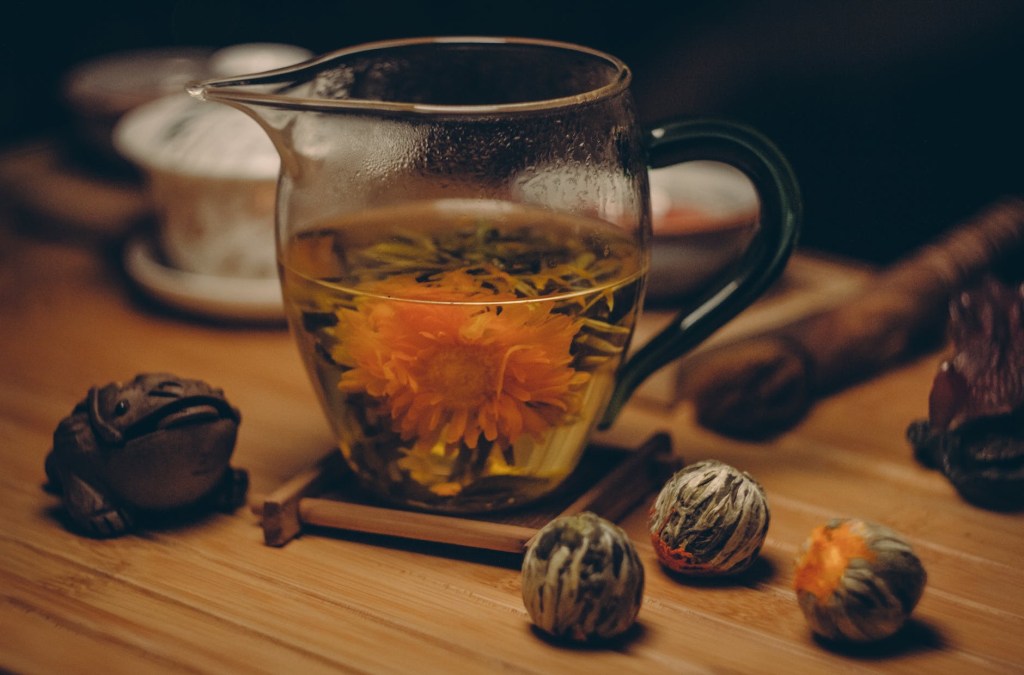
Chinese medicine has long fixated on the notion of improving and regulating Qi. The term Qi is often correlated to energy, and disorders of Qi are typically indicated by fatigue or deficiencies of energy.

In Chinese medical theory, there are many forms and variations of Qi. There’s liver qi, spleen qi, kidney qi, heart qi, lung qi. Each organ needs qi to perform optimally. There are many more forms of qi not listed here, but each is important to our healthful existence.

When there is deficient or excessive qi, specific symptoms and syndromes can manifest. The most common being fatigue, but sometimes digestive disorders, depression or mental issues can arise.

When it comes to treatment, a combination of acupuncture, herbs and qigong can significantly improve and heal qi disorders. Depending on your specific needs, different herbs and points would be selected.

Self treatment can include qigong, or exercises to cultivate your qi / energy. Deep breathing and slow rhythmic movements promote the flow and accumulation of qi, naturally offsetting the imbalances.
Sometimes fatigue is due to serious problems like diabetes, heart issues or blood pressure issues. If you’re dealing with chronic fatigue, be sure to check in with your trusted healthcare provider for the best outcome.

Dark Chocolate: A Tonic for Qi & Blood

When a patient has symptoms of a pale tongue, low energy, pallor, fatigue and muscular weakness, I tend to suspect a deficiency of qi and blood. My favorite food-medicine for less severe qi & blood deficiencies is dark chocolate. Dark chocolate is high in iron, fats, fiber and xanthines like caffeine and theobromine. High quality dark chocolates with 70%+ cocoa solids are ideal. This percentage guarantees that you’ll get a significant amount of dense mineral nutrition. I believe that the iron and fats of dark chocolate are good for building blood, while the xanthines help to move blood and increase energy. The fiber itself is good for the  regulating the intestinal system, improving bowel movements and any stasis in the middle jiao. When the intestines are clean, there are less toxins proliferating in the colon. This reduces autoimmune activity, improving energy reserves.

A 100 gram bar of dark chocolate with 70-85% cocoa contains (1):

  • 11 grams of fiber.
  • 67% of the RDA for Iron.
  • 58% of the RDA for Magnesium.
  • 89% of the RDA for Copper.
  • 98% of the RDA for Manganese.
  • It also has plenty of potassium, phosphorus, zinc and selenium.

—https://authoritynutrition.com/7-health-benefits-dark-chocolate/

Qi relates to the fundamental energy we are born with and the caloric energy that we generate as we consume & metabolize food, as well as the oxygen we breathe. Blood is the fluid of the heart, and is responsible for nourishing & moistening the muscles, tendons and other body tissues. There is a saying that “blood is the mother of qi.” This could be likened to the fact that blood relies on iron, which is needed for oxygen transfer throughout the body. Symptoms of hypoxia can arise in anemic persons, as the lack of iron could inhibit qi from reaching the distal extremities. Qi moves blood, so if there is a lack of one, it feeds into the pathos of the other.

Iron helps red blood cells deliver oxygen from the lungs to cells all over the body. Once the oxygen is delivered, iron then helps red blood cells carry carbon dioxide waste back to the lungs to be exhaled. Iron also plays a role in many important chemical reactions in the body.

—http://www.medicinenet.com/iron-page2/supplements-vitamins.htm

If blood isn’t moving, then that means the erythrocytes (red blood cells) are sitting around with lots of carbon dioxide… Perhaps this leads to inflammation, pain and autoimmune reactions in tissues, from muscles to bones. I believe Qi gong, tuina, reiki, acupuncture and herbal therapies could really benefit the person who is fatigued due to blood disorders like this. The vibrational, energetic and manual therapies can help to move the blood, and the herbal and nutritional therapies could restore the person’s qi and blood.

Cacao beans (an herb nonetheless).

So, choose any dark chocolate you like, and let your blood cells rejoice.

What is Tui Na?

Tui na is an ancient form of medicine that we all perform, to some extent. When you get a headache and rub your temple, you are performing tui na. You might not know which acupuncture points you are activating, but you are definitely utilizing the local and superficial energetics of your body in order to inspire relief at a biochemical and structural level. Your body is instinctually programmed to self-heal and rejuvenate!

Tui na is similar to massage, but has a greater tradition and assortment of techniques. It uses a lot of theory and methodology derivative from Tradition Chinese Medicine. Meridian theory is something I use a whole lot in my Tui na practice. Meridian theory exposes the trajectories of qi, the body’s life force energy that can be subdivided according to its relationship to yin & yang, as well as each individual organ in the body. Think of it this way: there are many rivers and wires in your body that work together, and when they become blocked, tangled or withered: pain and disorder result.

For example, the stomach meridian begins beneath the eye, centered with the pupil, then descends along the nasal cavities. It is often implicated in nasal allergies, as the stomach mucosa is prone to inflammation (think: crohn’s / gluten intolerance). This can manifest as what modernity refers to as allergies, with swelling and fluid accumulation in the body. When treating such an issue, I might go toward the calf to a point called Zusanli or ST-36. The stomach meridian descends through the anterior body all the way down the leg into the second toe. By utilizing these lower points, we can positively affect the flow of qi which may have coagulated in the upper channels of the body.

Combined with herbal medicine to address deficiencies and excesses, these therapies can lead toward a complete elimination of allergies! Next time you have allergies, try rubbing the tender points along the zygomatic bone, and the muscles of the front calf. A great way to promote self-healing.

Schedule a session