Since this blog is primarily about herbalism and holistic healing arts, I thought I’d answer the question from that perspective. After all, it takes a lot of creativity to mend the body, mind and soul.
Over the course of my career I’ve come across many historical healers that amazed and inspired me. For the most part, I’ve not met any of them, except through literature they wrote, or the legacy they etched into history books. Check the links for more info about them!
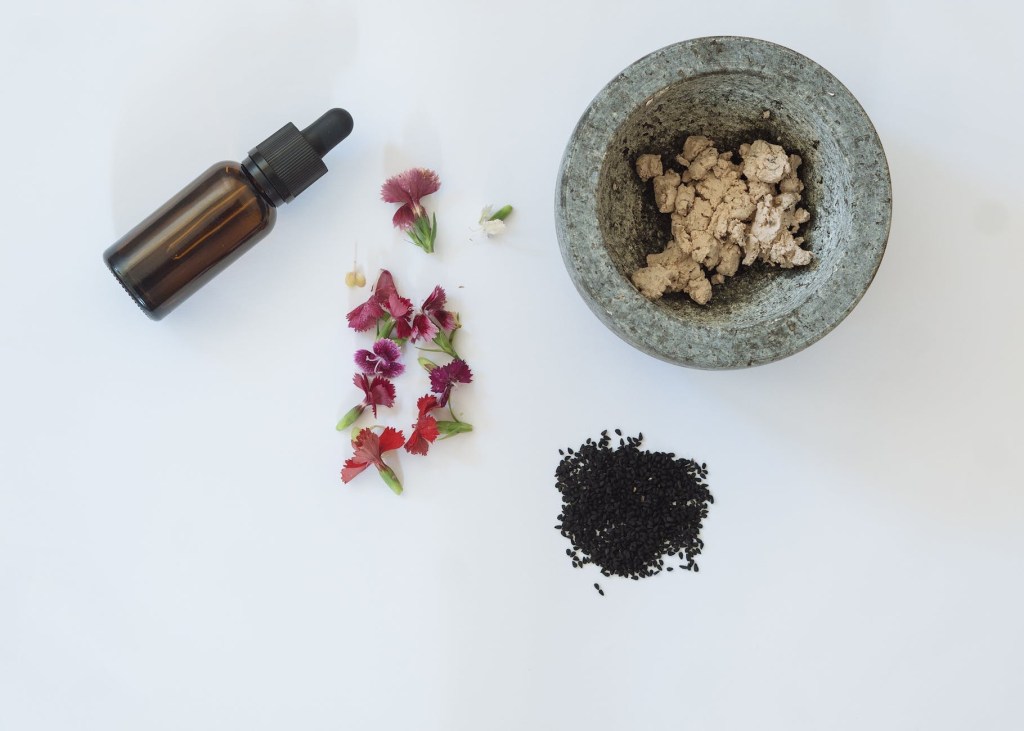
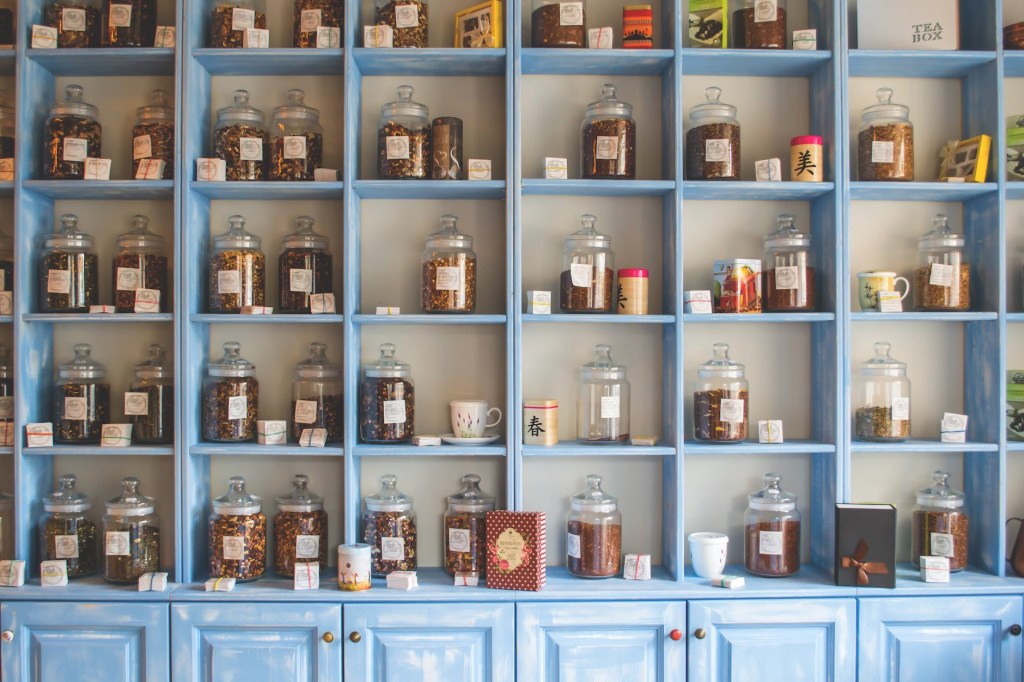
As an acupuncturist, one of my main forms of treatment is Chinese herbs. These herbs have been used for hundreds, some thousands, of years. Today, we still use these incredible formula in our practice, as powders, pills, tinctures, and even raw herbal decoctions.
However, research shows that some herbs contain harmful chemicals. An example of this is aristolochic acid. This carcinogenic chemical can damage the kidneys, and is found in certain herbs. These herbs are typically removed from the traditional formula, and replaced with safer choices.
Most modern Chinese medicine manufacturers are aware of these dangers and take care to sort and test the herbs before they are sold to consumers. Some of the best herbal brands are only sold to licensed practitioners, so you might want to check with local herbalists for higher quality products.
There are many more Chinese herb brands, and most are diligent about their product. However, it can still be necessary to get a professional opinion before taking herbs, because they can interact with pharmaceutical medication or be contraindicated for certain diseases.
When I was young I struggled with fatigue. I had lots of anxiety, which caused insomnia, and then I’d awaken early and deprived of rest, triggering a vicious cycle. For energy, I relied on coffee, and caffeinated drinks, and this only added to my chronic anxiety. How can a person be so amped up and completely exhausted at the same time?
Our energy levels have a lot to do with the condition of our inner body. Our vital organs, our blood, our oxygen levels, among other things. The diet we consume, and the environment we live in inspire lots of fluctuations to our energy levels. Our mental disposition, stress, and emotions contribute distinctively to our energy, too.
When I was at my worst fatigue, my diet, lifestyle and mood were all very poor, too. Later on, I started herbs, yoga, qigong and acupuncture, and these methods totally revitalized my energy levels.
Chinese medicine has long fixated on the notion of improving and regulating Qi. The term Qi is often correlated to energy, and disorders of Qi are typically indicated by fatigue or deficiencies of energy.
In Chinese medical theory, there are many forms and variations of Qi. There’s liver qi, spleen qi, kidney qi, heart qi, lung qi. Each organ needs qi to perform optimally. There are many more forms of qi not listed here, but each is important to our healthful existence.
When there is deficient or excessive qi, specific symptoms and syndromes can manifest. The most common being fatigue, but sometimes digestive disorders, depression or mental issues can arise.
When it comes to treatment, a combination of acupuncture, herbs and qigong can significantly improve and heal qi disorders. Depending on your specific needs, different herbs and points would be selected.
Self treatment can include qigong, or exercises to cultivate your qi / energy. Deep breathing and slow rhythmic movements promote the flow and accumulation of qi, naturally offsetting the imbalances.
Sometimes fatigue is due to serious problems like diabetes, heart issues or blood pressure issues. If you’re dealing with chronic fatigue, be sure to check in with your trusted healthcare provider for the best outcome.

 CAIN Healing Arts